

Indoor Air Quality: Pollen, Humidity, and NC Homes
Triangle pollen, summer humidity, and tight modern construction all affect the air inside your home. Here's what actually helps.
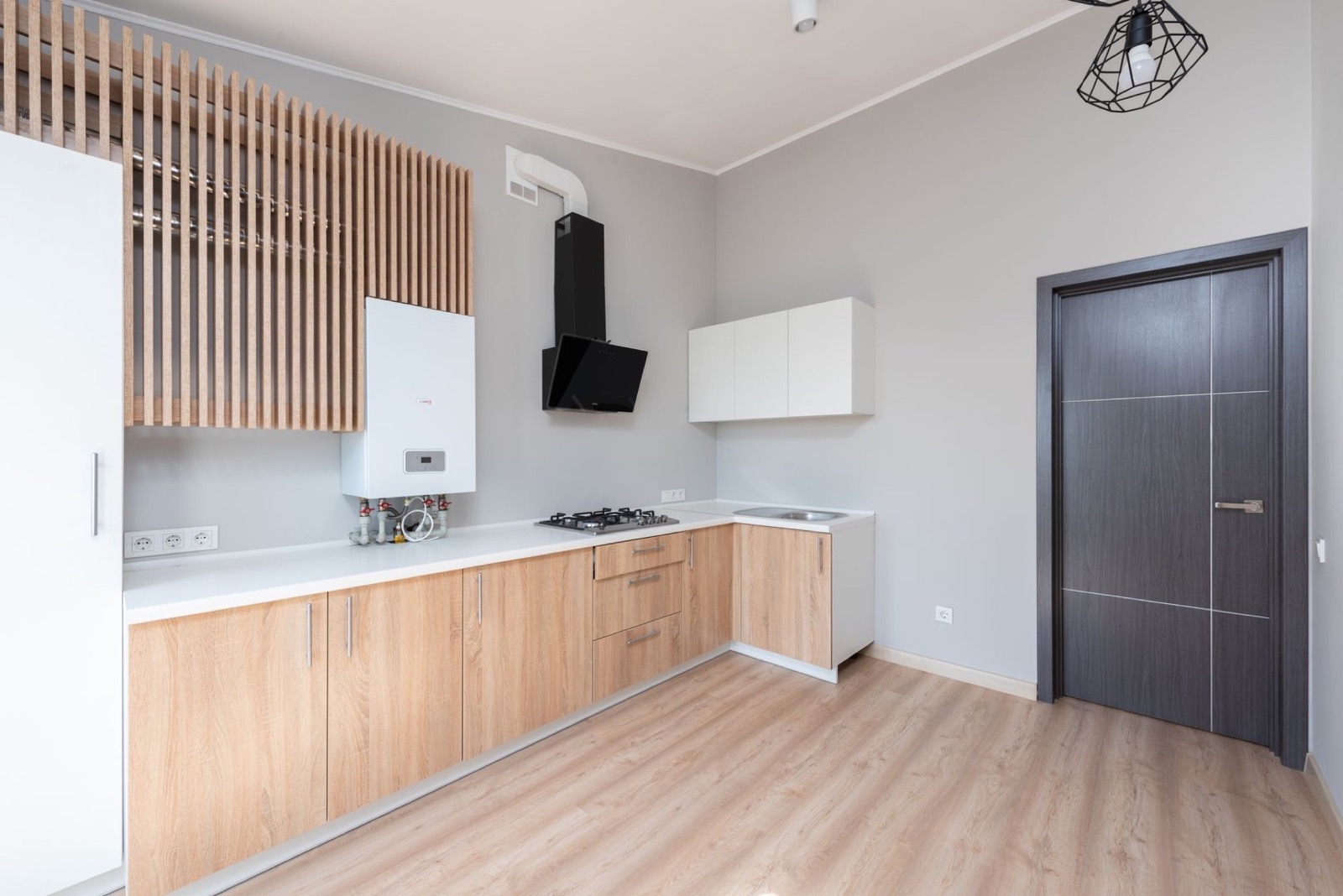
If you live anywhere from Raleigh to Smithfield, you know spring pollen doesn't stay outside. Yellow dust on cars is the visible part: the invisible part is what circulates through your HVAC system and into every room. Combined with North Carolina's summer humidity, indoor air quality becomes a comfort and health issue, not just a luxury upgrade.
Start With the Filter
Standard 1-inch fiberglass filters protect equipment more than they protect your lungs. MERV 11–13 pleated filters capture more pollen, dust mites, and pet dander without overly restricting airflow on most residential systems. We verify your blower can handle higher MERV ratings before recommending an upgrade.
Humidity Control Is Comfort Control
The EPA recommends indoor relative humidity between 30–50%. Above 55%, you may notice musty odors, condensation on windows, and increased mold risk: especially in homes near Falls Lake, Jordan Lake, or low-lying areas around Smithfield and Clayton.
- Whole-home dehumidifiers integrated with HVAC ductwork
- Variable-speed AC that runs longer cycles for better moisture removal
- Properly sized equipment: oversized AC cools fast but dehumidifies poorly
- Sealed ductwork to prevent pulling humid crawlspace air indoors
Beyond Filtration
- UV air purifiers to reduce mold and bacteria on coils
- Media cabinet filters (4–5 inch) for higher capacity filtration
- ERV/HRV ventilation for tight, energy-efficient new construction
- Duct cleaning when buildup is visible or after major renovation
New construction note
Homes in Wendell Falls, Flowers Plantation, and similar communities are built tight for energy efficiency. Without adequate ventilation and filtration, indoor pollutants concentrate. Air quality planning should be part of every new-home HVAC strategy.
Explore indoor air quality services
FAQs
What MERV filter should I use in North Carolina?
MERV 11–13 is a good balance for pollen and allergens in NC. Higher isn't always better: overly restrictive filters can reduce airflow and strain your blower. Have a technician confirm compatibility.
Will a dehumidifier help my AC work less?
Yes. When humidity is controlled, you feel comfortable at higher thermostat settings. Whole-home dehumidifiers reduce the burden on your AC and improve comfort in humid NC summers.
More Articles
When to Replace Your AC in North Carolina
North Carolina summers push AC systems hard. Here's how to know when repair stops making sense and replacement saves you money.
Read →Spring HVAC Maintenance Checklist for NC Homeowners
A spring tune-up catches small problems before July heat, and helps your system handle pollen, humidity, and peak demand.
Read →Heat Pump vs. AC and Furnace in the NC Climate
North Carolina's mild winters and hot summers make heat pumps popular, but they're not always the right fit. Here's how to choose.
Read →
Ready for Reliable Comfort?
Schedule HVAC service in Smithfield, NC · Wake & Johnston Counties. Experience the difference of a family-owned team that puts your comfort first.